The Art of Saying Nothing
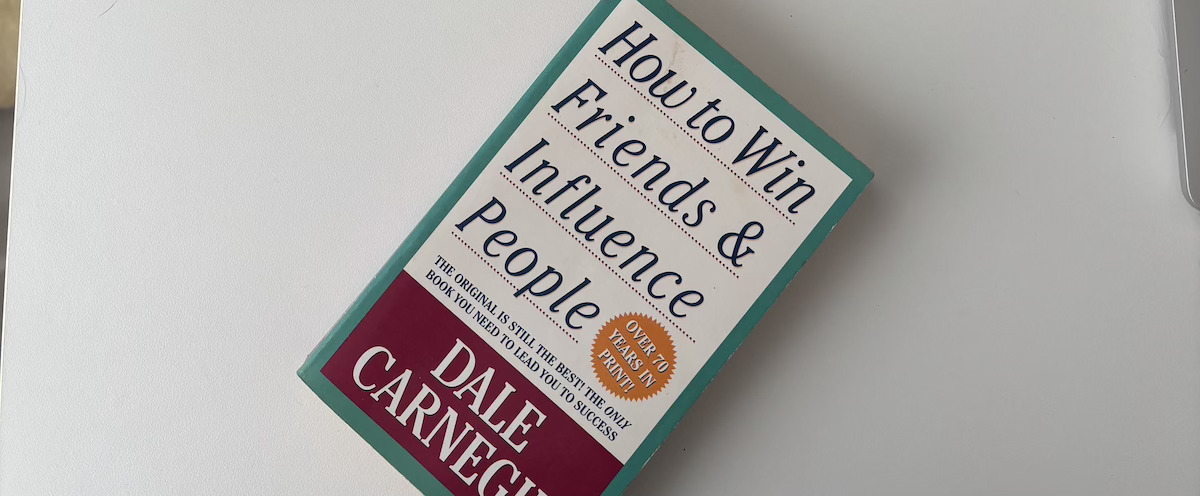
One night after a tiring day, out of nowhere I remembered an interesting story from one of my favorite books, Dale Carnegie’s How to Win Friends and Influence People. It’s about Abraham Lincoln and a letter he never sent.
Back in July 1863, after the Battle of Gettysburg, General George Meade defeated the Confederate army but failed to stop General Robert E. Lee from escaping.
Lincoln was furious. He believed they had missed a golden opportunity that could have ended the Civil War much earlier.
So he wrote a letter expressing his disappointment. Quite a harsh one, actually.
But here’s the interesting part. He never sent it.
Imagine being the president of the United States, having every authority to criticize your general, yet deciding to keep your mouth shut.
Meanwhile, some of us can’t resist correcting a random stranger on the internet over something that doesn’t even matter. Haha 😹.
Knowing When to Shut Up
When I was younger, I was probably much more arrogant and unfiltered. I liked debating, challenging opinions, and pointing out things I thought were wrong.
Sometimes I was right. Sometimes I was confidently wrong, which is arguably worse 😛.
But the older I get, and ironically, the more knowledge I acquire, the less interested I become in proving that I know something.
Someone shares an interesting discovery? Cool, maybe I can add something useful.
Someone has a different opinion? That’s fine too, there is even an idiom “Agree to Disagree”.
Someone is factually wrong? Well, does it actually matter? Will correcting them accomplish anything, or am I just satisfying my own ego?
Of course, there are situations where criticism is necessary. As a software engineer, I’m not going to approve code that introduces an obvious security vulnerability.
But am I going to argue over whitespace or some minor code-style preference that a linter could handle? Probably not. I have better things to do.
So there’s a difference between having something to say and actually needing to say it.
The Cost of Being Right
What fascinates me about Lincoln’s story is the restraint.
Carnegie suggests that sending the letter might have made Lincoln feel better, but it could also have created resentment and made an already difficult situation worse.
We don’t know exactly what Lincoln was thinking when he decided not to send it. But the letter survived, with his own note that it was never sent or signed.
That alone is interesting enough.
A few harsh words might take seconds to deliver, but the consequences can last much longer. People might become defensive, stop sharing their thoughts, or simply decide that interacting with you isn’t worth the effort.
And sometimes, all of that could have been avoided by choosing different words, adjusting the tone, or simply saying nothing.
Quite a cheap trick, isn’t it? No expensive leadership training required. 😛
I’m certainly not perfect at this. I still get irritated, disagree with people, and occasionally feel the urge to argue over something completely unnecessary. Seriously, it’s not easy!
But these days, I try to ask myself one simple question before responding:
Am I trying to contribute something useful, or am I just trying to be right?
Funny how getting older has taught me that one of the most useful communication skills is knowing when to shut up.
Lincoln figured out at least one occasion to do that in 1863.
And funnily back then, he didn’t even have a edit message or undo button.